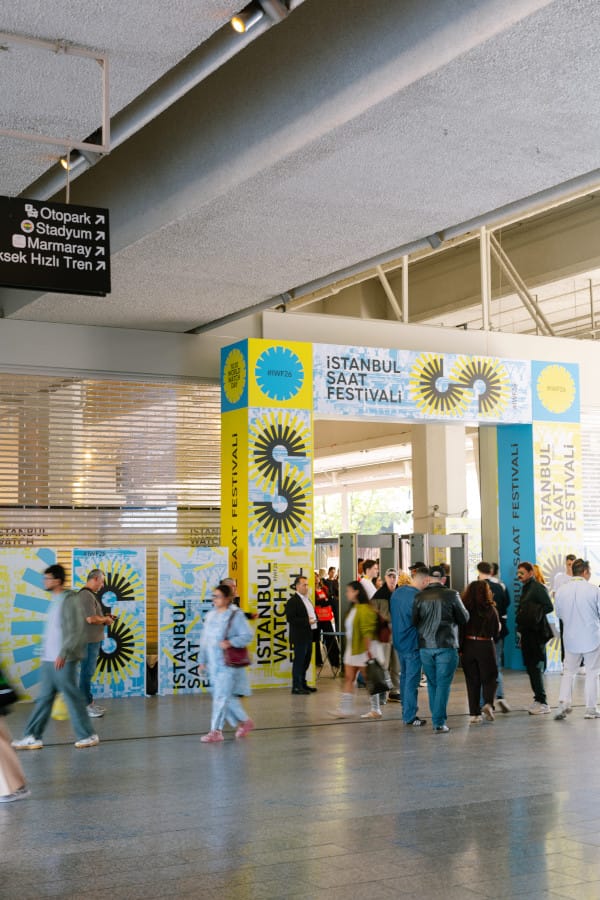
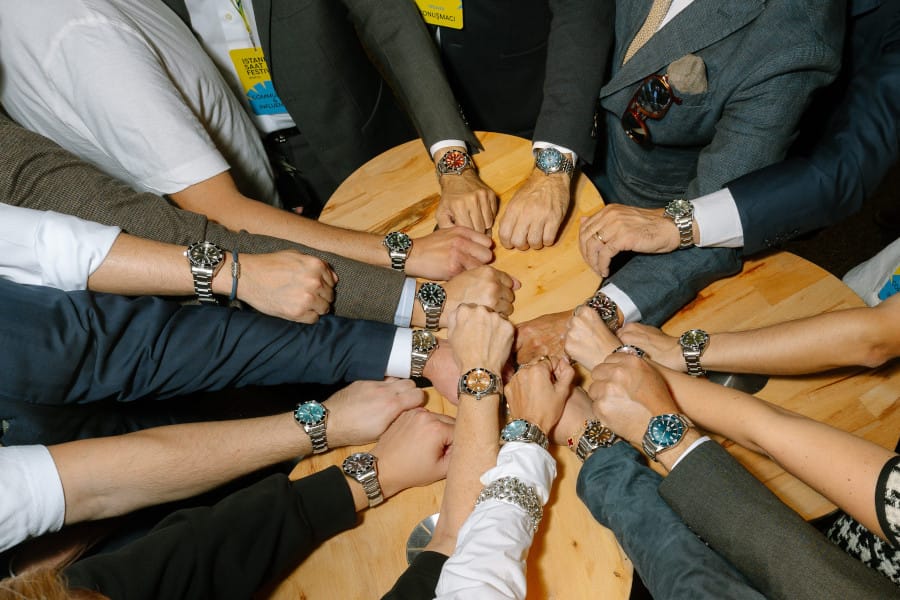
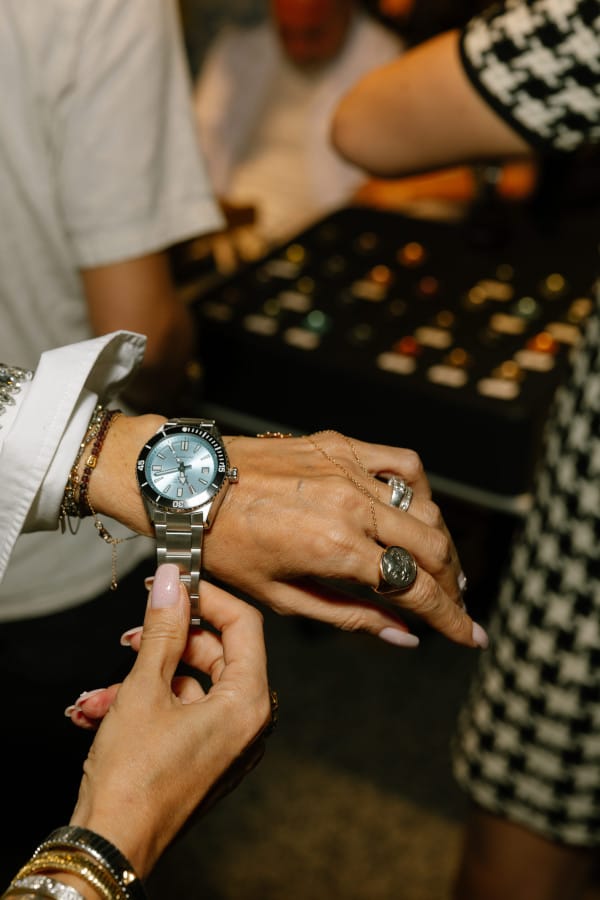
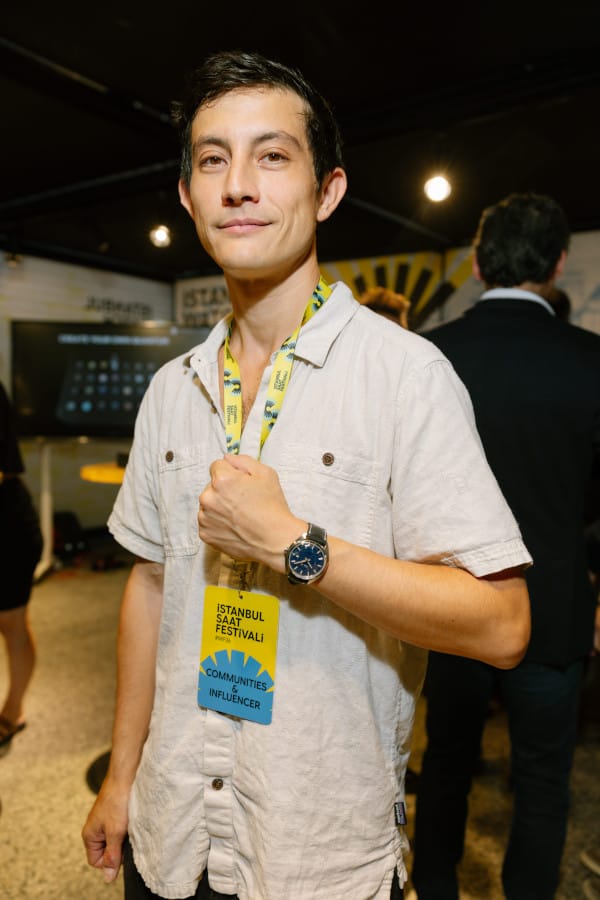
Watch fairs are growing. As Watches and Wonders and other major events expand and go mainstream, a new formula is emerging: regional get–togethers connect enthusiasts with watchmakers, from haute horlogerie to niche brands.
Italy already hosts two main events, each with a different mission. While the 2026 Milano Watch Week has just closed its doors, Watches of Italy‘s 7th edition will open November 14 to 15.
Milano Watch Week brings established brands and independent watchmakers under one roof. Watches of Italy is an Italian brand–focused gathering.
Meanwhile, a new player has quietly joined the party: the Istanbul Watch Festival.
Why Istanbul?
Turkey is an industrial and watch–culture powerhouse, with an economy closely connected to Europe’s.
GDP may have slowed down in 2026, but its growth rate remains among Europe’s strongest. Istanbul is also a cultural crossroads, and its watchmaking industry dates back to the first half of the 20th century.
The team behind the Istanbul Watch Festival has spent years building the country’s reputation as a hub for watch enthusiasts.
Serdar Oal, IWF consultant, is among digital media’s longest-established and most respected watch editors. His publication, Horobox, pioneered global digital watch journalism.
The Turkish Watch Club, which brings together the country’s (and global) most respected watch collectors, also helped shape the vision behind Turkey’s first-ever global watch fair.
An Istanbul-based fair was, therefore, the final step: connecting people whose expertise is second to none.
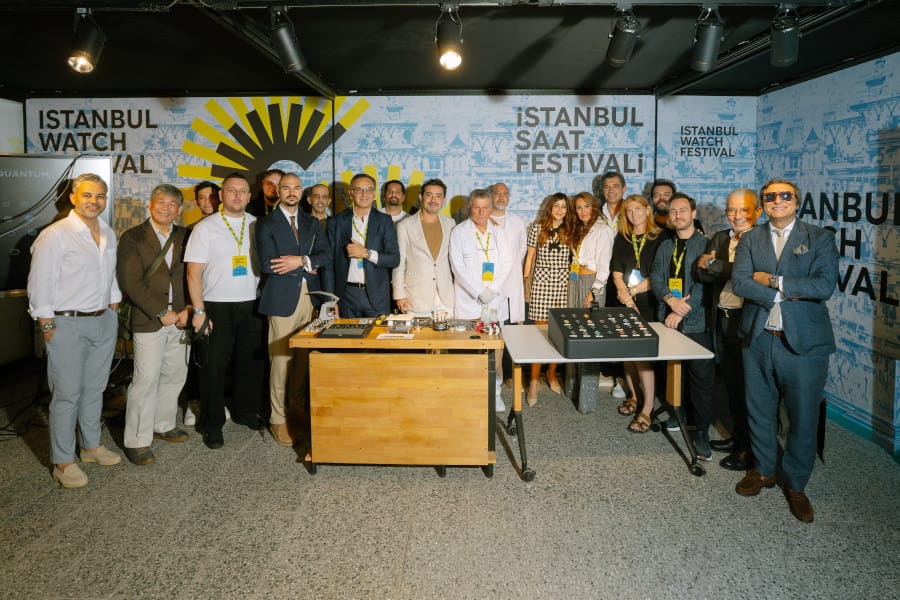
The first-ever Istanbul Watch Festival
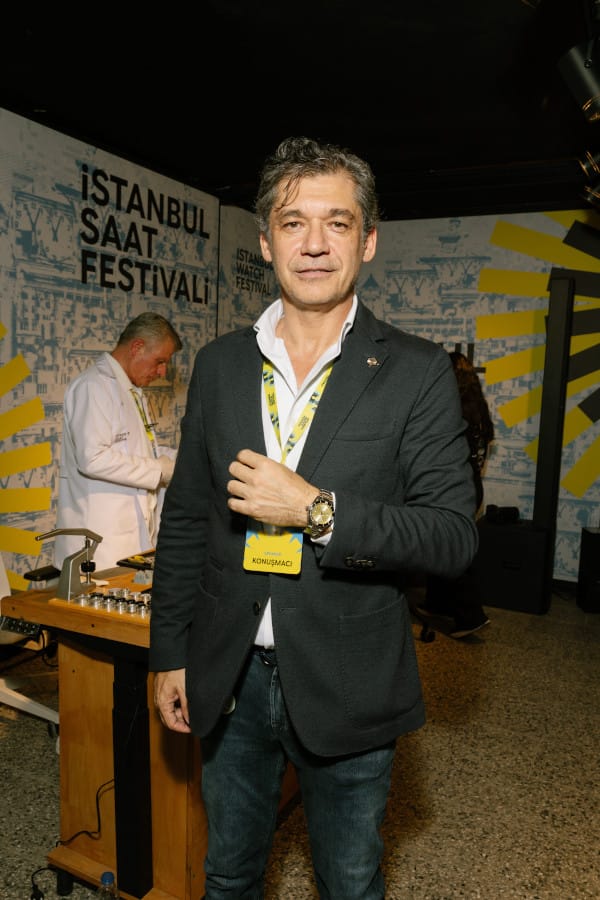
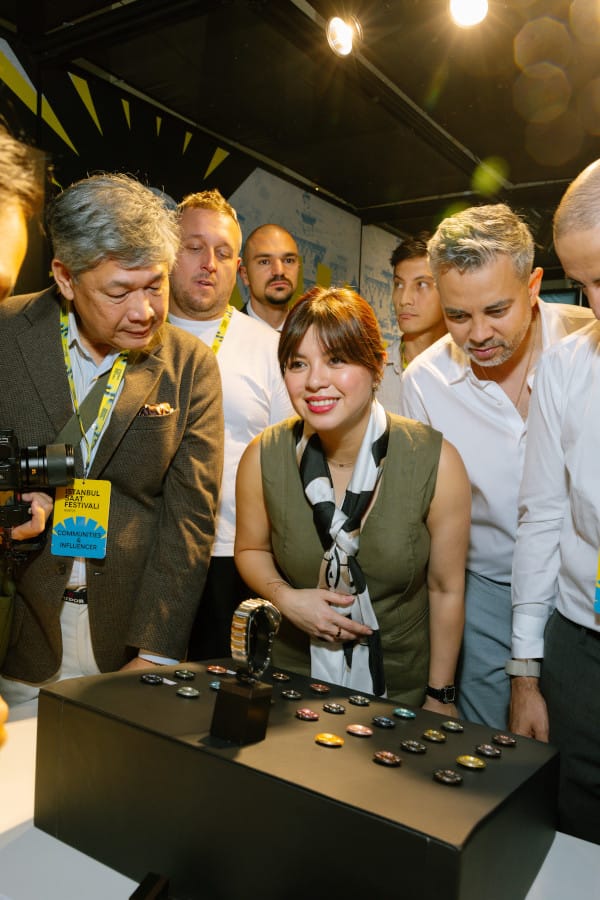
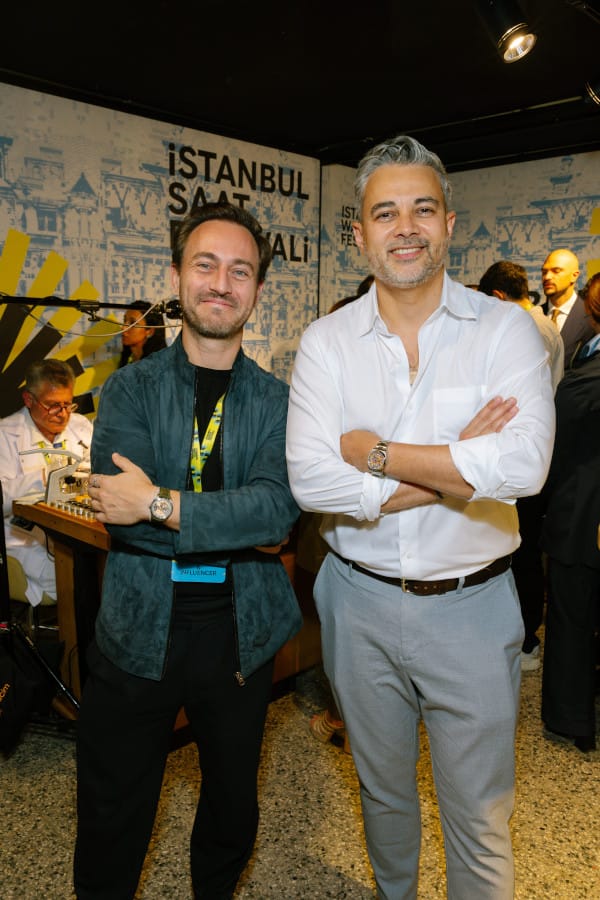
The first edition drew 11,500 invitations, 7,500+ participants, 20+ exhibiting brands, and 21 talks and workshops over two days.
If I had to summarise this edition into one sentence, I’d add a “make watchmaking easy again” approach. The idea was as straightforward as it was effective: a no-frills, direct enthusiasts-to-watch brand concept. As simple as that.
The first edition was a staggering success, with plenty of room to grow. Never forget that Istanbul is Europe’s largest city, and the event’s full potential is long to come.
Considering the number of exhibiting watch brands, the turnout was nothing short of extraordinary. If I had to compare it with other events in terms of potential audience, I could think of only New York.
Global brands, including two Turkish ones
The 20 participating brands include Switzerland, France, the Netherlands, Germany, the United States, Japan, and Turkey.
Wainer and Quantum are home brands, with the second holding the most extensive coverage. It manufactures 150,000 watches a year and reaches customers through 1,000 retail locations across 35 countries.
The Turkish brand marked its 30thanniversary in 2026, and the two-day event was the perfect venue for the celebrations.
Quantum sells steel sports watches on bracelets, powered by Japanese-sourced movements, with extensive dial customization and an average selling price of around €300.
Beyond its design, the brand’s business model isn’t much different from Italian watch brand Venezianico‘s approach to global production and competitive pricing.
Quantum and the Istanbul Watch Festival organized several dedicated events for the international press during the show.
What comes next?
While the numbers speak for themselves, what mattered most to us was how much we enjoyed the event.
Turkey is a beautiful, incredibly welcoming country. Istanbul combines an audience unmatched in size by any other European city and holds a strategic position at the crossroads of Europe and Asia.
The festival put the Turkish community in the spotlight: G-Shock, Nomos, and Lebois & Co. fans shared the stage with Turkey’s most seasoned collectors.
What’s next? We can’t wait to see what the future holds and how the organizers will turn this potential audience and these global communities into something bigger, capable of resonating internationally.
(Photo credit: Istanbul Watch Festival)
In this article:
Digital watch
A timepiece that shows the time through a numerical display instead of a dial and hands.